July 23, 2026
Residential security remains a major priority for property owners. Maintaining safety means ensuring equipment functions at peak performance. Over the decades, technology has advanced, rendering older setups obsolete. Residents must evaluate current measures to determine if replacements are necessary. Upgrading home alarm systems ensures optimal protection for families and belongings. Property owners must acknowledge hardware limitations to maintain secure boundaries. Identifying deteriorating hardware prevents unexpected lapses.
Homeowners wait until a major failure occurs before seeking replacements. Proactive evaluations prevent vulnerable gaps in residential security architectures. Obsolete devices leave properties exposed to potential intrusions or environmental hazards. Identifying warning signals of failing equipment helps occupants maintain secure living spaces. Recognizing these indicators prompts vital improvements to the surveillance network. A proactive approach guarantees constant vigilance over the premises.
Recognizing Frequent Equipment Malfunctions
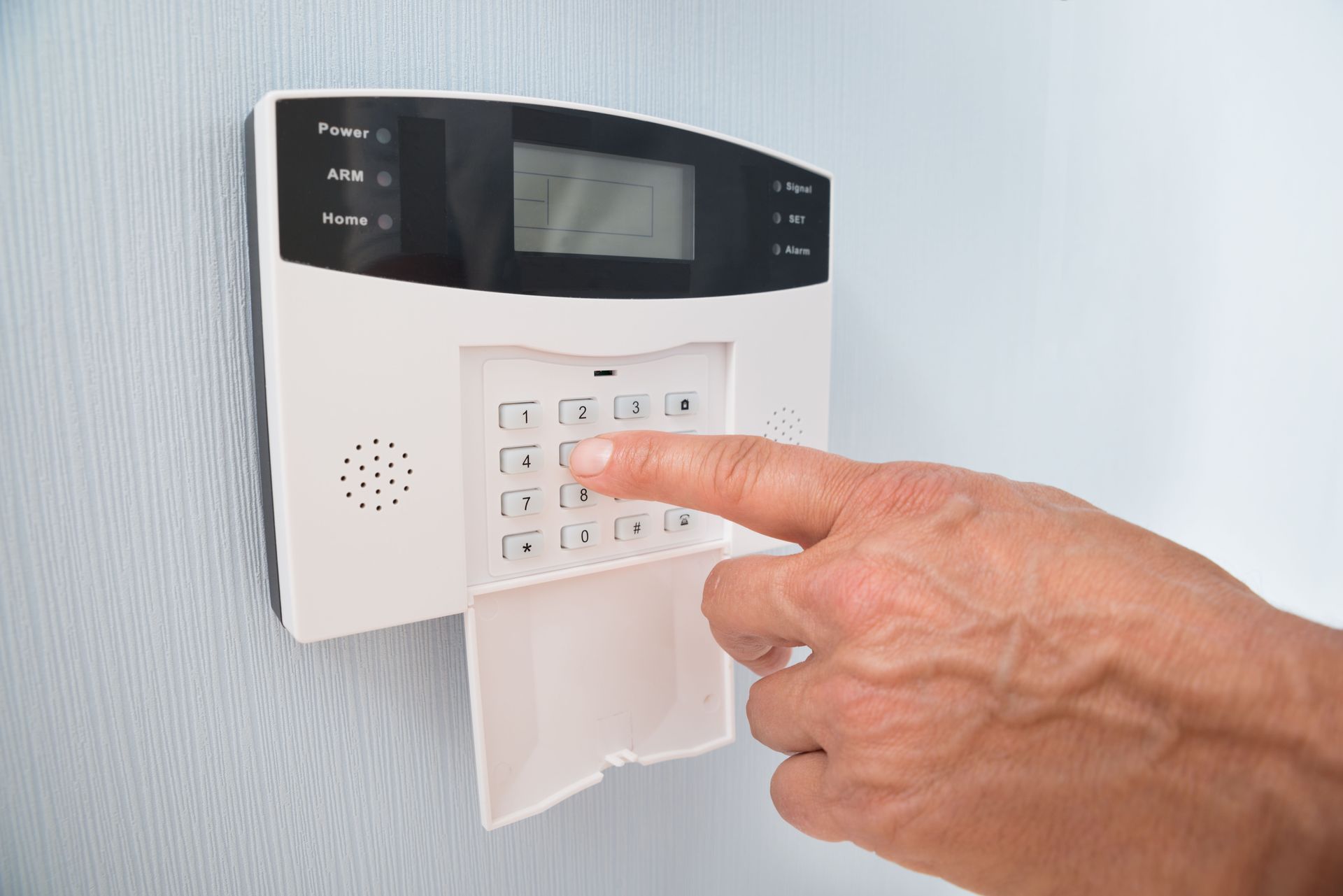
Regular operational failures indicate a failing security infrastructure. Property owners might notice keypads becoming unresponsive or sensors failing to register movement. These persistent glitches compromise the entire protection network. When home alarm systems exhibit constant errors, the underlying hardware is degrading. Such deterioration leaves the residence vulnerable to unauthorized entry. Occupants must monitor control panels for recurring error codes.
Constant beeping from control panels points to internal faults. Replacing batteries fails to resolve the continuous noise. Internal wiring issues or degraded circuits cause these persistent warnings. Ignoring these alerts allows fundamental flaws to remain active within the residence. Occupants should view persistent auditory warnings as a plea for hardware replacement. A quiet keypad signifies a healthy and operational network.
Unresponsive door and window sensors present a critical issue. When occupants open secured entryways, the control panel must register the action. A lack of response means the magnetic contacts have lost alignment or power. Compromised sensors render the perimeter defense ineffective against intruders. Upgrading the sensors restores the essential barrier around the property. Replacing them ensures immediate detection of unauthorized door openings.
Camera feeds experiencing static or blackout periods reveal failing video components. Clear visual records remain essential for identifying trespassers and monitoring the premises. Degraded lenses and failing transmission signals obscure the captured footage. Without clear video evidence, the setup loses a major deterrent factor. Replacing these cameras guarantees crisp and reliable surveillance feeds. Property owners need high-definition visuals for situational awareness.
Noticing Outdated Technological Features
Aging security devices lack the advanced capabilities found in modern models. Older keypads feature worn buttons and confusing user interfaces. Legacy setups rely on landline connections, which remain susceptible to line cutting. Modern home alarm systems utilize cellular signals to maintain communication with monitoring centers. Transitioning to cellular connectivity eliminates a significant vulnerability. Cellular backups ensure dispatchers receive alerts during severe weather outages.
Another sign of obsolescence is the inability to receive remote updates. Modern devices download software patches to protect against emerging cyber threats. Legacy hardware lacks the memory and processing power to handle essential upgrades. This stagnation leaves the network open to digital tampering or bypassing techniques. Upgrading the hardware ensures the software remains current. Staying current blocks malicious hacking attempts from external sources.
Environmental monitoring falls behind in older security setups. Basic hazard detectors possess a finite operational lifespan before requiring replacement. According to Security Sales & Integration, only 51% of households can correctly detect the age of their smoke alarms. This lack of awareness puts occupants at severe risk during fire emergencies. Replacing aging environmental sensors provides accurate and reliable hazard detection.
Low-resolution surveillance cameras highlight a severe technological deficit. Grainy footage provides minimal value during post-incident investigations. Contemporary cameras offer high-definition video with night vision capabilities. The difference in clarity allows authorities to identify suspects with greater ease. Installing high-definition cameras modernizes the entire surveillance strategy. Upgrading visual hardware modernizes the visual deterrence aspect of residential protection.
Experiencing Unexplained False Triggers
False alarms create a frustrating experience for homeowners and responders. When sirens sound without a legitimate cause, the noise causes unnecessary panic. Local authorities impose fines on residences that generate multiple false dispatches. If home alarm systems activate without reason, the internal logic boards are failing. Addressing these false triggers prevents financial penalties and neighborhood disturbances. Hardware upgrades eliminate this dangerous complacency.
Pet movement causes older motion sensors to trigger without warning. Legacy detectors cannot differentiate between a roaming dog and a human intruder. This sensitivity flaw forces residents to disable motion detection to prevent sirens. Disabling sensors creates blind spots within the interior defense of the property. Modern pet-immune sensors eliminate this issue by ignoring smaller thermal signatures.
Drafts from heating vents trigger faulty glass-break sensors. Aging microphones in these devices become hypersensitive to ambient background noise. A loud television or a dropping object might cause a sudden security activation. This hypersensitivity renders the glass-break detection a nuisance rather than a safeguard. Installing calibrated audio sensors reduces these frustrating and unprovoked alerts. Precise audio calibration prevents mundane activities from initiating emergency protocols.
Weather fluctuations cause aging exterior sensors to malfunction. Heavy rain or strong winds should not compromise outdoor perimeter defenses. Degraded weatherproofing allows moisture to seep into exterior motion detectors and camera housings. Moisture shorts out circuits, leading to sporadic and unexplainable sirens. Upgrading to weather-sealed exterior devices guarantees stable operation during severe storms. Durable exterior hardware withstands the elements without sending false intrusion alerts.
Lacking Modern Smart Capabilities
Modern security networks offer seamless integration with everyday smart devices. Older configurations operate as isolated units with no external connectivity. Occupants cannot check the status of their property through mobile applications. Upgrading home alarm systems provides residents with remote control and real-time alerts. This connectivity grants peace of mind when families travel away from the property. Remote oversight transforms the way individuals interact with domestic protection.
The absence of automated scheduling forces manual arming and disarming routines. Busy individuals might forget to activate the security perimeter before leaving for work. Smart platforms allow users to establish geofencing rules and time-based activation schedules. Automation ensures the residence remains guarded even if human error occurs. Embracing automation creates a foolproof security posture. This technological synergy removes the burden of manual interactions.
Integration with smart lighting enhances the overall deterrent effect against burglars. Legacy security panels cannot communicate with exterior floodlights or interior lamps. A modernized setup illuminates the entire property the moment a sensor trips. Sudden illumination frightens away trespassers before they attempt a forced entry. Linking lights to the network maximizes the property's defensive capabilities. Integrated smart lights add an active defense layer to passive monitoring.
Video doorbell integration represents another missing feature in obsolete configurations. Traditional peepholes offer limited visibility and require occupants to approach the entryway. Smart doorbells provide remote bidirectional audio and wide-angle video straight to a mobile device. Residents screen visitors and monitor package deliveries from any location. Adding a video doorbell unifies perimeter surveillance into a cohesive smart network. These additions redefine modern residential security boundaries.
Ensuring residential safety requires vigilant observation of existing hardware. Recognizing signs of deterioration prevents critical failures during actual emergencies. Frequent malfunctions, outdated technology, false triggers, and a lack of smart features point toward necessary replacements. Homeowners must prioritize these upgrades to maintain an effective barrier against potential threats. Dependable home alarm systems form the foundation of a secure living environment. Maintaining functional equipment remains an ongoing responsibility.
Proactive maintenance and timely hardware replacements yield lasting protective benefits. Waiting for a complete breakdown leaves properties and families exposed to danger. Modernizing the security infrastructure brings advanced features, remote accessibility, and enhanced reliability. Occupants gain absolute confidence in their property's defenses through diligent upgrades. A modernized approach guarantees lasting safety for the entire household. True peace of mind stems from a verified and operational defense network. If you notice any of these warning signs, we invite you to contact All Alarm Services of Central Florida today. We are ready to help you evaluate your property and install modern, reliable
home alarm systems tailored to your specific needs.