June 15, 2026
Fire alarms are pivotal in saving lives and property by providing early warnings of potential fires. Over the years, advancements in technology have significantly transformed how these systems function, ensuring they are more efficient and reliable. Here, we'll explore the evolution of fire alarm systems, showcasing the technological breakthroughs and safety standards that have been instrumental in this journey.
Early Beginnings of Fire Alarm Systems
The inception of fire alarm systems can be traced back to 1890, when Francis Robbins Upton, an associate of Thomas Edison, invented the first electric fire alarm. This innovation marked a significant shift from the manual methods of fire alerting, which primarily relied on watchmen or individuals physically announcing fires. The electric fire alarm was designed to automatically alert to the presence of fire, initiating a new era of automated response systems. Despite its initial novelty, the system faced challenges in gaining widespread adoption due to the infrastructure and technological limitations of that time. However, it laid the groundwork for subsequent innovations that would refine and enhance fire safety mechanisms.
In the early stages of fire alarm development, there was a clear dichotomy between manual and automatic systems. Manual systems required physical activation through levers or glass breaking, relying heavily on human presence and action during fire events. In contrast, automatic systems, like Upton's electric fire alarm, emphasized immediate detection and alert without the need for manual intervention. This shift towards automation aimed to reduce response times and increase the reliability of fire alerts. However, early automatic systems still grappled with reliability issues, false alarms, and limited coverage areas, challenging their effectiveness.
Telecommunications played a pivotal role in the evolution and enhancement of early fire alarm systems. In the late 19th and early 20th centuries, these systems began integrating telegraph technology, improving the transmission of fire alerts to central monitoring locations. This integration allowed for faster relay of information, facilitating quicker response times and improved coordination among fire departments. Notably, urban centers were at the forefront of adopting this technological advancement, driven by the need to manage increasingly complex infrastructure. Despite these strides, challenges remained, particularly in terms of reliability and the breadth of telecommunication network coverage.
The 20th Century Evolution
The 20th century saw numerous technological innovations that advanced fire alarm systems significantly beyond their rudimentary origins. Development during this period focused on enhancing reliability, detection capabilities, and ease of use, driven by the growing urbanization and industrialization, which raised fire risks. One of the notable inventions was the battery-operated smoke alarm, introduced in the 1970s, revolutionizing detection mechanisms by offering portable and easy-to-install solutions. These alarms reduced the dependency on electric systems, ensuring functionality during power outages, a critical advantage for maintaining consistent safety standards. Moreover, advances in electronic components further miniaturized fire alarm systems, making them more accessible and cost-effective for residential use.
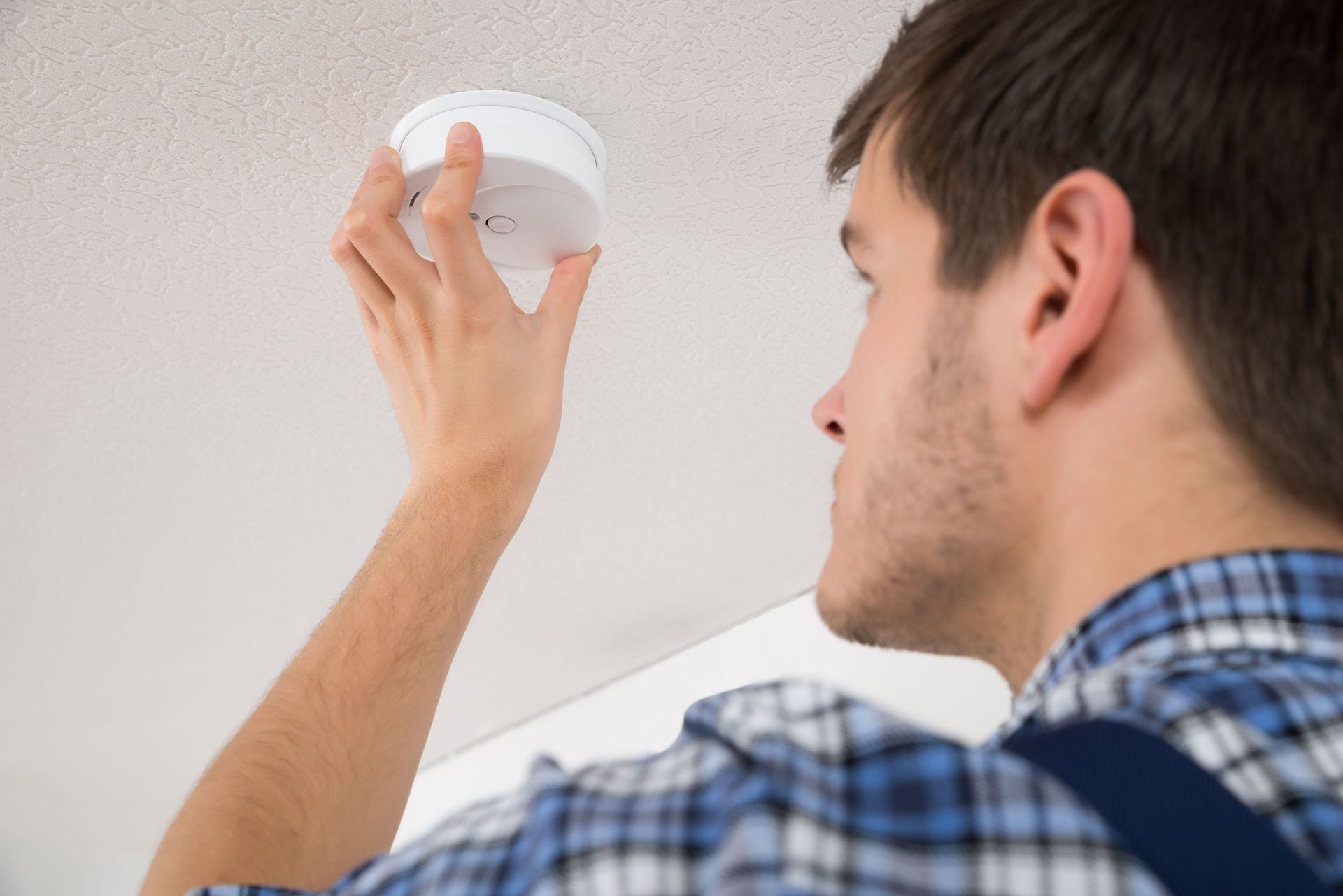
Smoke detectors, introduced in the mid-20th century, fundamentally altered fire safety protocols by shifting the focus from flame detection to smoke, which often precedes visible flames. Unlike previous systems, smoke detectors utilize photoelectric and ionization methods to identify particles or gases produced in a fire's early stages, significantly cutting down the response time. This early warning capability, especially crucial in residential settings, greatly increased the chances of survival and reduced property damage. Smoke detectors became more prevalent as understanding of their life-saving potential spread, leading to their incorporation into building codes and standards across various regions. The introduction of battery-operated versions further enhanced their adoption, ensuring they remained functional even during electrical failures.
During the 20th century, the integration of heat sensors into fire alarm systems provided additional layers of detection, complementing smoke alarms. Heat sensors detected rapid increases in temperature, signaling potential fire hazards even when smoke was not present, addressing scenarios where smoke detectors might falter. This dual-detection approach improved the overall effectiveness of fire alarms, offering more comprehensive protection for various environments, from homes to industrial facilities. Heat sensors were particularly beneficial for areas prone to false alarms, such as kitchens or garages, where smoke might be present without actual fire conditions. Over time, advancements in this technology enhanced sensitivity and reliability, minimizing false alarms and maximizing safety.
The Digital Revolution
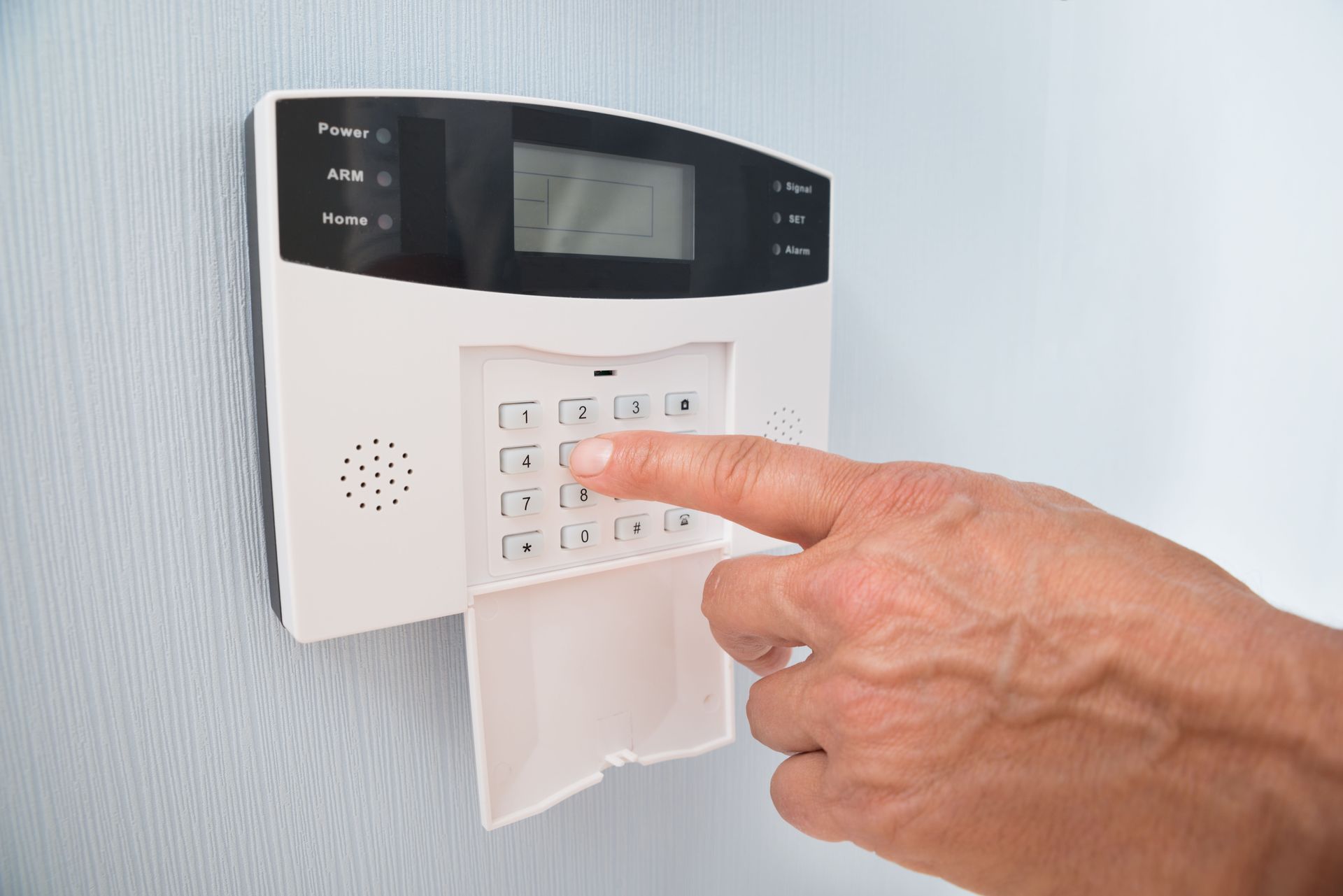
The advent of microprocessors in the late 20th century marked a significant leap in the capabilities of fire alarm systems. Microprocessors introduced programmable logic into fire detection and safety protocols, allowing for more precise and adaptive responses to fire signals. These systems could analyze input from various sensors, minimizing false alarms and providing more detailed information about potential fire events. This integration enabled the creation of addressable fire alarm systems, which could pinpoint the source of an alarm within larger facilities, drastically improving response accuracy. Moreover, this technological evolution reduced maintenance costs and increased the lifespan of fire alarm systems through precise diagnostics and self-check mechanisms.
The transition to wireless fire alarm systems transformed installation and scalability, reducing the need for extensive wiring and facilitating easier updates and expansions. Wireless systems offer a significant advantage in terms of flexibility, especially useful for buildings with architectural constraints or those requiring frequent modifications. This evolution likewise contributed to safety in hard-to-reach areas, ensuring coverage without compromising the building's aesthetic or structural integrity. Wireless fire alarms, by their very nature, reduce the labor and material costs associated with installation, making them a preferred choice for both residential and commercial applications. Additionally, rapid advancements in wireless technology improved the reliability and security of these systems, addressing early concerns about interference and signal strength.
The rise of networked alarm systems revolutionized how buildings manage and respond to fire incidents, leading to more cohesive safety strategies. Integrated via the internet or local networks, these systems offer centralized monitoring, real-time alerts, and more robust data analysis capabilities. Networked systems enable facility managers and emergency responders to have immediate access to detailed status reports and historical data, significantly enhancing decision-making during emergencies. The interconnectedness of these systems also supports automatic coordination with other safety installations, such as sprinklers and ventilation controls, creating comprehensive response protocols. This technological evolution aligns with the increasing emphasis on smart building solutions, where integration and responsiveness optimize safety and energy efficiency.
Modern Fire Alarm Technologies
The integration of artificial intelligence (AI) into fire alarm systems represents one of the most innovative advancements in modern fire safety. AI-enhanced alarms use machine learning algorithms to analyze patterns and detect anomalies, reducing the occurrence of false alarms and increasing accuracy in identifying real threats. These smart alarms can adapt to changing environments and learn from historical data, fine-tuning sensitivity to suit specific locations and circumstances. The fusion of AI with traditional fire alarm systems ensures intelligent decision-making, allowing for faster, more effective responses. The potential for AI in this domain extends beyond detection, enabling proactive maintenance and system optimization that enhances overall safety and reduces long-term operational costs.
The integration of Internet of Things (IoT) and cloud-based systems has further streamlined fire alarm technology, providing unprecedented accessibility and management capabilities. IoT-enabled fire alarms connect various devices and systems, offering real-time monitoring and alerts via mobile applications and centralized dashboards. This connectivity allows property owners and emergency services to receive instantaneous updates, facilitating rapid response and coordination in crisis situations. Cloud-based services store and analyze data, offering insights into trends and potential vulnerabilities, leading to more informed decisions and strategic improvements in fire safety. As a result, IoT and cloud-based innovations have substantially elevated the effectiveness and reach of modern fire alarm systems.
As fire hazards evolve, driven by factors like hot work activities that account for 34% of workplace fires, according to OSHA.com, the continuous development of
fire alarm systems remains crucial. Future trends, including AI integration and smart home connectivity, suggest a future where fire safety is seamlessly integrated into our daily living, ensuring heightened protection and peace of mind. Contact All Alarm Services of Central Florida today for more information.