November 5, 2026
Maintaining a safe commercial property requires consistent attention to fire prevention and emergency preparedness. Fire detection equipment plays an important role in alerting building occupants to potential dangers, allowing them to respond quickly when an emergency occurs. However, installing equipment is only the beginning of maintaining dependable protection. Environmental conditions, equipment age, electrical problems, and changes to a building's layout can affect how detection devices operate. Regular inspections, testing, and professional servicing help identify concerns before they interfere with performance.
1. Establishing a Consistent Inspection Schedule
Regular inspections are essential for identifying potential problems with commercial fire detection equipment. Business owners should establish a maintenance schedule based on applicable fire codes, manufacturer recommendations, and the building's specific requirements. Inspection responsibilities may vary depending on the equipment installed and the type of facility. Creating a documented schedule helps ensure that important tasks are not overlooked during busy periods. Property managers should also identify which inspections require qualified technicians and which routine observations can be completed by designated employees.
A consistent schedule makes it easier to recognize changes in equipment condition. Employees may notice damaged devices, unusual control panel messages, or obstructions around detection equipment during everyday operations. These observations should be reported promptly rather than postponed until the next scheduled inspection. Maintaining communication between building management and service professionals supports a more organized approach to fire safety. Regular attention also helps businesses prepare for required inspections and maintain records demonstrating that equipment receives appropriate care.
2. Testing Detection Devices and Notification Equipment
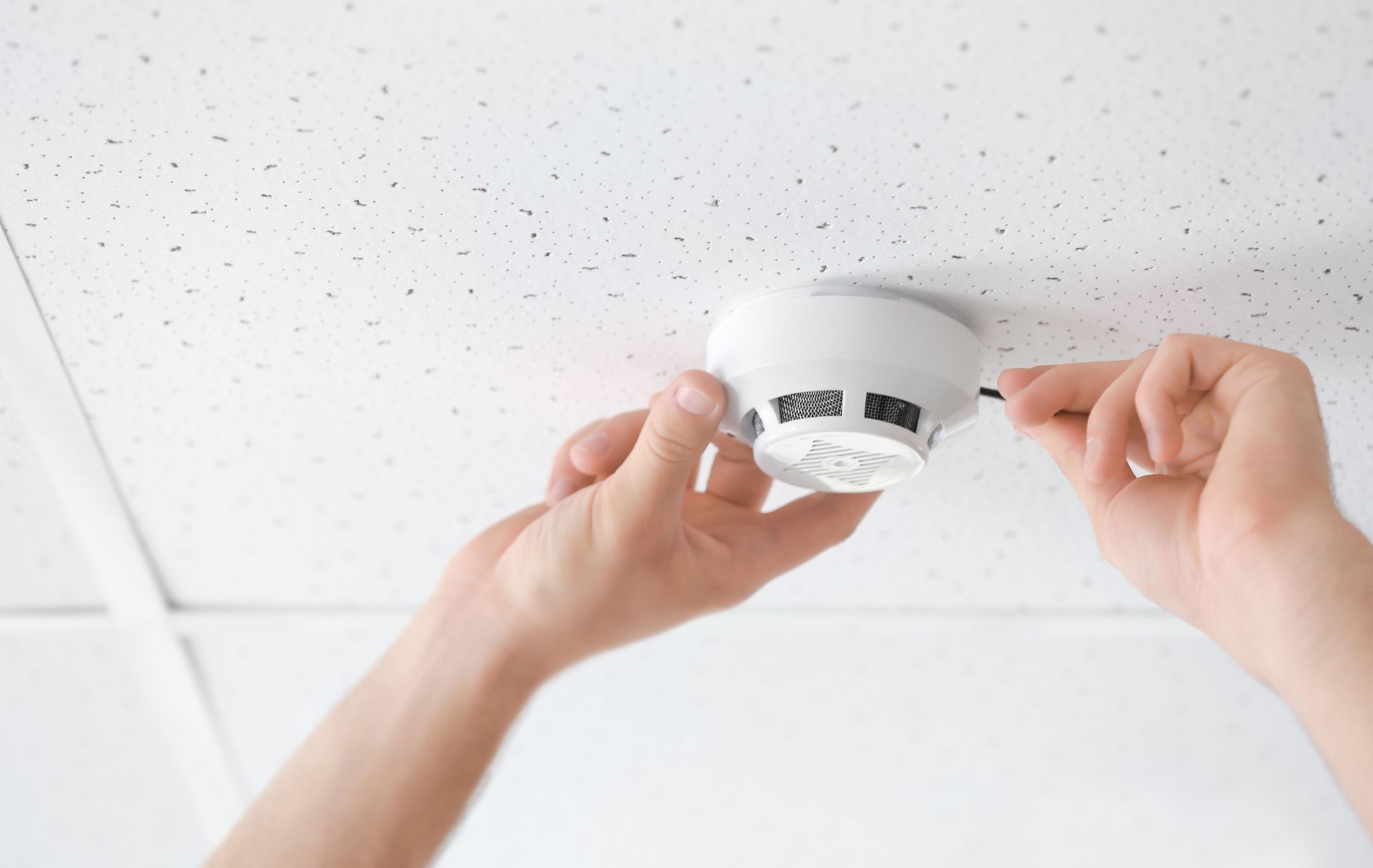
Smoke detectors, heat detectors, manual pull stations, and notification appliances perform different functions within a building's fire protection arrangement. Each component must operate correctly to support timely detection and occupant notification. Qualified professionals can conduct appropriate testing to determine whether devices respond as intended and communicate with the control panel. Testing procedures depend on equipment specifications and applicable standards. Business owners should avoid attempting technical tests without proper training because incorrect procedures may damage components or create unnecessary alarms.
A properly maintained fire alarm system also depends on audible and visual notification equipment functioning throughout the protected areas. Horns, speakers, and strobe lights help alert occupants when an emergency occurs. Renovations, furniture placement, or changes in how rooms are used may affect notification coverage. Professional evaluations can identify whether equipment remains suitable for the building's current configuration. Coordinating testing with employees and any monitoring provider helps reduce confusion and prevents unnecessary emergency responses during scheduled maintenance activities.
3. Maintaining Backup Power and Electrical Connections
Commercial fire detection equipment relies on dependable electrical power to operate correctly. Many systems include backup batteries or other secondary power arrangements intended to support operation during interruptions to normal electrical service. These components require periodic evaluation because batteries can deteriorate with age and use. Qualified technicians can assess battery condition, charging equipment, and relevant electrical connections according to applicable requirements. Neglecting backup power maintenance may leave essential equipment unable to operate as intended during a power outage.
According to OSHA.com, electrical issues account for 22% of fires in typical office workplaces, while cooking equipment is the primary cause in facilities where it is used. This emphasizes the importance of addressing electrical safety throughout commercial properties. Damaged wiring, loose connections, and malfunctioning electrical components deserve professional attention. Business owners should arrange appropriate repairs when technicians identify concerns rather than attempting unauthorized modifications. Maintaining electrical equipment and following recommended service procedures can support dependable fire detection while reducing avoidable electrical hazards.
4. Keeping Detection Equipment Clean and Accessible
Dust, debris, and environmental contaminants can interfere with certain fire detection devices. Commercial properties may experience changing conditions because of construction activities, ventilation systems, manufacturing processes, or everyday building operations. Accumulated material can affect detector performance and potentially contribute to unwanted alarms or other problems. Cleaning procedures should follow manufacturer instructions and be performed by appropriately qualified personnel when necessary. Business owners should also monitor conditions around detection equipment and address activities that could expose devices to excessive contamination.
Maintaining clear access to a fire alarm system is equally important. Control panels, manual pull stations, and related equipment should remain accessible to authorized personnel and emergency responders. Storage boxes, furniture, decorations, and temporary displays should not obstruct important devices. Employees should understand that equipment must not be covered, disconnected, or relocated without proper authorization. Routine walkthroughs can help identify obstructions before they become persistent problems. Keeping equipment accessible also allows technicians to perform inspections and repairs without unnecessary delays.
5. Monitoring Control Panels and Trouble Signals
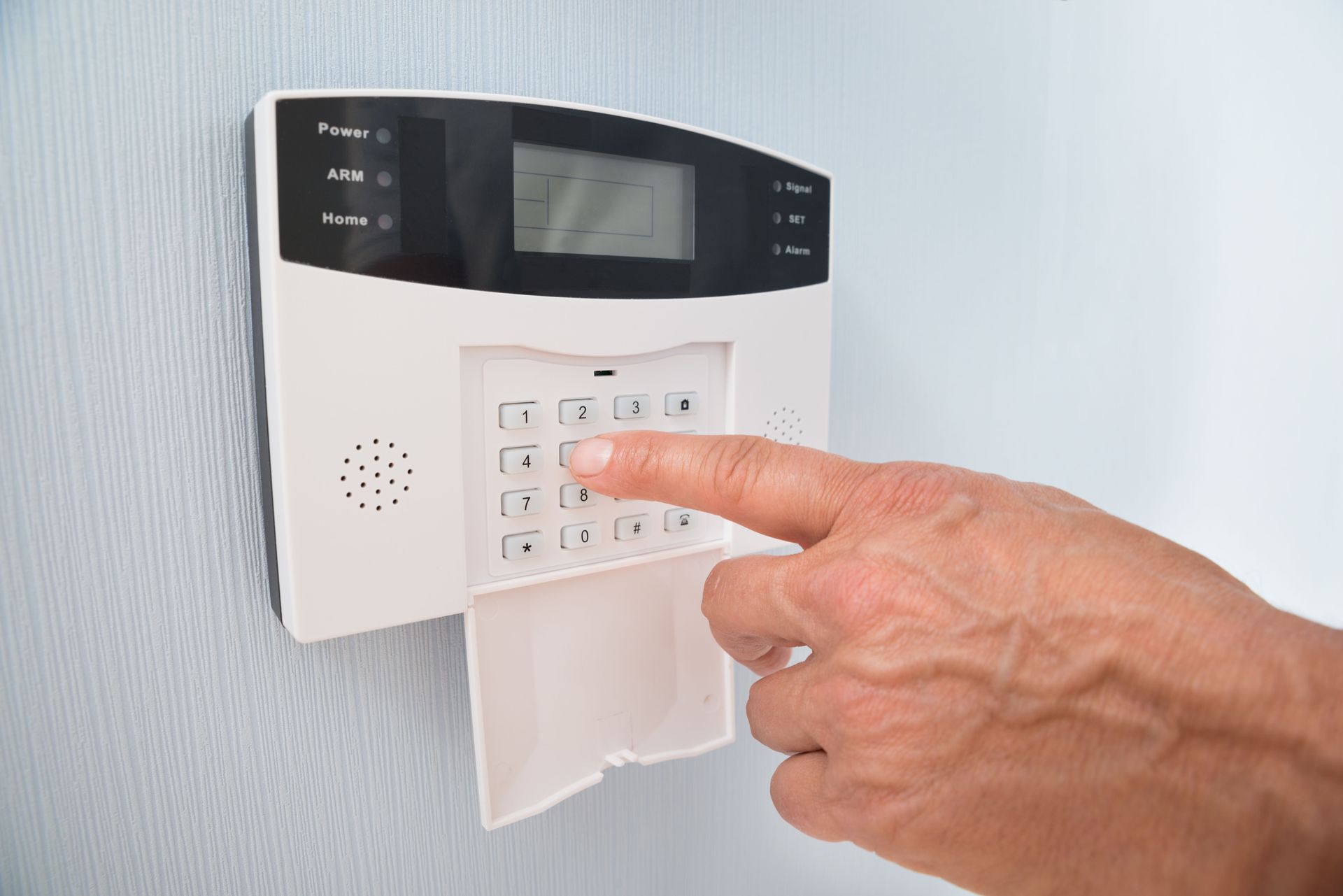
The fire alarm control panel provides important information about the condition of connected equipment. Depending on the system, it may display trouble signals, supervisory conditions, or other notifications requiring attention. Business owners and designated employees should understand how to recognize these indications and whom to contact when they appear. A trouble signal does not necessarily indicate an active fire, but it can identify a condition affecting equipment performance. Ignoring repeated alerts may allow an existing problem to continue without appropriate investigation.
When a fire alarm system displays an unexpected condition, qualified service personnel should evaluate the cause and recommend corrective action. Problems may involve wiring, communication pathways, power supplies, or individual devices. Employees should not silence recurring alerts and assume the underlying issue has been resolved. Businesses with professional monitoring arrangements should also confirm that communication equipment operates according to applicable requirements. Prompt attention to unusual signals helps maintain system readiness and reduces uncertainty about whether important components are functioning correctly.
6. Updating Equipment After Building Modifications
Commercial buildings often change as businesses expand, renovate, or reorganize their operations. New walls, remodeled offices, additional storage areas, and altered room functions can affect existing fire detection coverage. Equipment that was appropriately positioned during initial installation may no longer meet the building's needs after significant modifications. Before beginning construction or changing the use of a space, business owners should consult qualified professionals about potential fire protection requirements. Planning ahead can help prevent delays and identify necessary equipment adjustments.
Updating a fire alarm system may involve relocating detectors, adding notification appliances, modifying wiring, or adjusting connections to other building safety equipment. The appropriate changes depend on the scope of construction and applicable regulations. Contractors should coordinate modifications with qualified fire alarm professionals rather than disconnecting devices without authorization. Once changes are completed, required inspections and testing help confirm that affected equipment operates correctly. Maintaining accurate drawings and equipment records also makes future servicing easier and supports a clearer understanding of the building's protection arrangements.
7. Documenting Maintenance and Scheduling Professional Service
Accurate maintenance records provide valuable information about the condition and service history of commercial fire detection equipment. Documentation may include inspection dates, testing results, identified deficiencies, completed repairs, and equipment replacements. These records help business owners track recurring problems and confirm whether recommended corrective actions were completed. They may also be necessary during inspections by authorities or other authorized parties. Keeping records organized and accessible reduces the difficulty of reviewing maintenance history when questions arise.
Professional service is an important part of maintaining a fire alarm system throughout the year. Qualified technicians have the training and equipment needed to evaluate components, perform required testing, and identify conditions that may not be apparent during routine walkthroughs. Business owners should schedule service according to applicable requirements and arrange additional evaluations when equipment displays unusual behavior. Establishing an ongoing relationship with a service provider can simplify maintenance planning and help ensure that identified problems receive appropriate attention.
Year-round fire protection requires more than installing detection equipment and assuming it will remain dependable. Consistent inspections, professional testing, electrical maintenance, equipment cleaning, and prompt attention to trouble signals all contribute to a safer commercial environment. Business owners should also consider how renovations affect coverage and maintain accurate records of completed work. A properly maintained fire alarm system supports emergency preparedness and helps businesses address equipment concerns before they become more serious. For assistance with commercial fire alarm inspections, maintenance, or servicing, contact All Alarm Services of Central Florida today to discuss your property's fire protection needs.