May 10, 2026
A reliable fire alarm system plays a vital role in protecting lives, property, and daily operations. Whether installed in a home, office, or commercial facility, the right system serves as an early warning tool that allows people to act quickly and safely. Fires can develop unexpectedly, and without proper detection and communication, even a small issue can escalate rapidly.
Modern systems are designed to do much more than sound an alarm. They provide intelligent detection, real-time communication, and seamless coordination with other safety systems. As buildings become more advanced, so do the expectations for safety technology. Understanding the essential features ensures that you are making a smart investment that delivers reliable protection and long-term value.
In addition to meeting safety requirements, a well-designed fire alarm also supports business continuity and minimizes disruptions. When emergencies are detected early and handled efficiently, recovery becomes faster and less costly. This is especially important for businesses that rely on daily operations and cannot afford extended downtime. By investing in a system with the right features, you are not only protecting people but also preserving the stability and resilience of your space.
1. Include Advanced Detection Technology
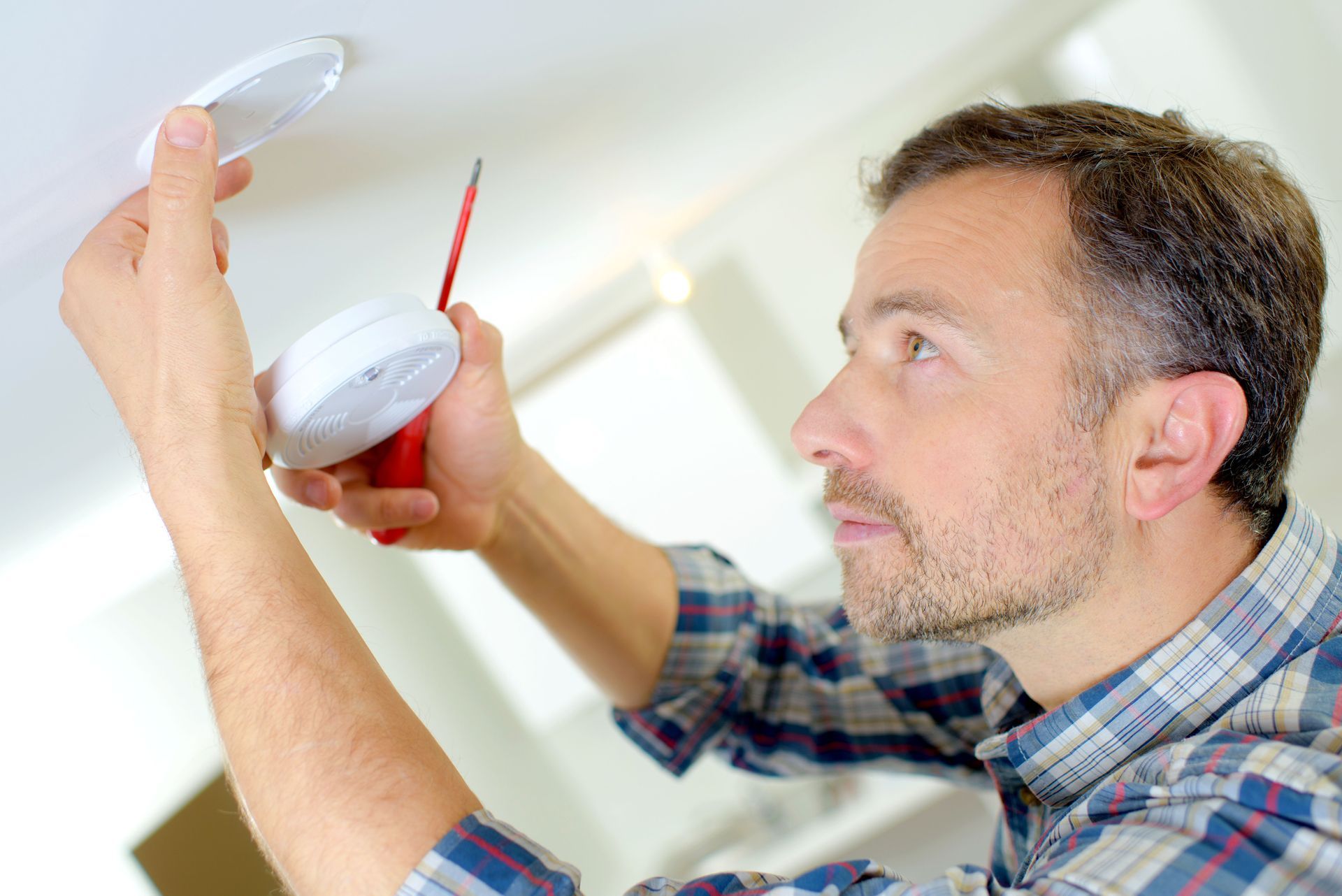
A high-quality fire alarm should incorporate advanced detection technology that can identify different types of fire hazards. Traditional smoke detectors are no longer sufficient on their own. Modern systems often combine smoke, heat, and gas detection to provide a more comprehensive safety approach.
This layered detection method improves response time by recognizing threats in their earliest stages. For example, heat sensors can detect rapid temperature changes even before visible smoke appears. Similarly, multi-sensor devices can analyze environmental conditions and differentiate between real dangers and harmless triggers.
By reducing false alarms and increasing accuracy, advanced detection technology builds trust in the system. Occupants are more likely to respond quickly when they know alerts are reliable. A well-equipped fire alarm system ensures that no potential threat goes unnoticed.
2. Provide Real-Time Alerts and Notifications
Immediate communication is one of the most critical features of any fire alarm. Real-time alerts ensure that occupants can respond quickly, whether they are inside the building or away from the property. Modern systems often connect to smartphones, tablets, or monitoring services to deliver instant notifications.
This capability is especially valuable for property owners, business operators, and facility managers who need to stay informed at all times. If an alarm is triggered, they can take action immediately, such as contacting emergency services or checking on the situation remotely.
Real-time alerts also improve coordination during emergencies. When everyone receives the same information at the same time, it reduces confusion and supports a more organized response. A dependable fire alarm ensures that warnings are delivered clearly and without delay.
3. Support System Integration Capabilities
A comprehensive fire alarm system should integrate seamlessly with other building systems. Integration allows different safety components to work together, creating a coordinated and efficient response during emergencies. This includes connections with sprinkler systems, security systems, ventilation controls, and emergency lighting.
When integration is in place, the system can automatically trigger actions that support evacuation and containment efforts. For example, doors can unlock to provide clear exit paths, ventilation systems can adjust to reduce smoke spread, and lighting can guide occupants toward safe routes.
This level of coordination enhances overall safety and reduces the likelihood of confusion during critical moments. A well-integrated fire alarm becomes the central hub of a building’s emergency response strategy.
4. Offer Clear Audible and Visual Signals
Effective communication during an emergency depends on clear and noticeable alerts. A reliable fire alarm system should include strong audible alarms and bright visual signals to ensure that everyone is aware of the situation.
Audible alarms must be loud enough to be heard across different environments, including areas with background noise. Visual signals, such as flashing lights, are equally important for individuals who may have hearing impairments or for spaces where noise levels are high.
Clear signaling helps guide occupants toward exits and encourages a calm and orderly evacuation. When people can quickly recognize and understand the alert, they are more likely to respond appropriately. A fire alarm that prioritizes both sound and visibility creates a safer environment for everyone.
5. Ensure Reliable Backup Power Supply
Power outages can occur at any time, and they are often associated with emergency situations. A dependable fire alarm system must include a reliable backup power source to ensure continuous operation. Without backup power, the system could fail at the exact moment it is needed most.
Backup systems are designed to activate automatically when the primary power supply is interrupted. This allows the fire alarm to continue monitoring conditions and issuing alerts without any disruption. The transition should be seamless, requiring no manual intervention.
Reliable backup power provides peace of mind, knowing that protection remains in place regardless of external conditions. It is a critical feature that ensures the system performs consistently and meets safety expectations.
6. Enable Easy Maintenance and Monitoring
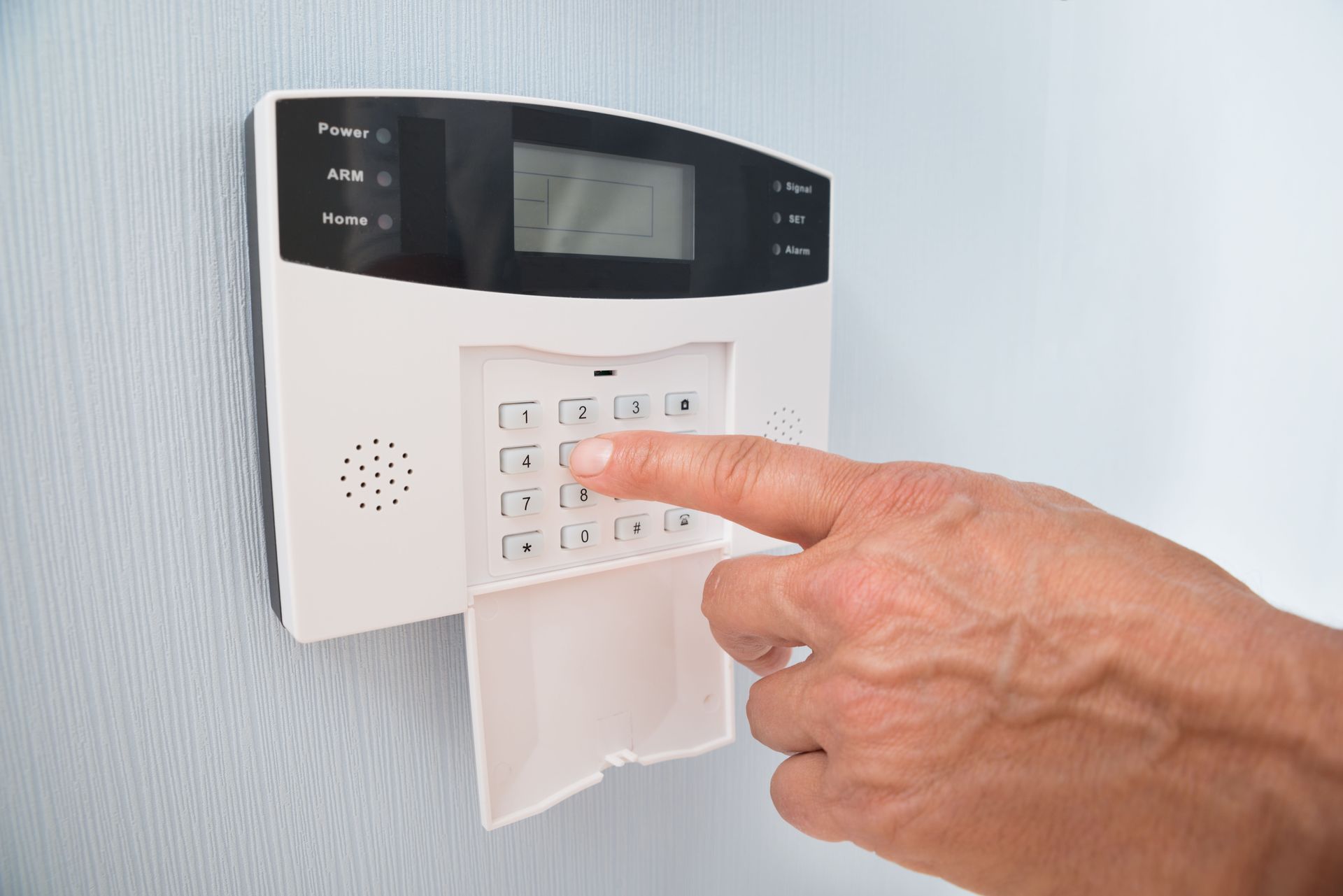
Regular maintenance is essential for keeping a fire alarm system in optimal condition. Systems that offer easy monitoring and diagnostic features make it simpler to identify and address issues before they become serious problems. User-friendly interfaces and remote access capabilities allow for efficient management and oversight.
Routine inspections and testing help ensure that all components are functioning properly. Early detection of potential issues can prevent system failures and reduce the risk of false alarms. A well-maintained fire alarm remains reliable and effective over time.
According to OSHA.com, electrical sources cause 22% of workplace fires in typical office environments, though cooking equipment is the leading cause in facilities where it applies. This highlights the importance of consistent monitoring and maintenance to identify potential risks early and maintain a safe environment.
7. Support Scalability and Customization
Every property has unique safety needs, and a fire alarm should be flexible enough to adapt to those requirements. Scalability allows the system to grow alongside the building or business, ensuring continued protection as changes occur.
Customization options make it possible to tailor the system to specific layouts, occupancy levels, and risk factors. Whether adding new zones, upgrading components, or adjusting alert settings, a flexible system can evolve without requiring a complete replacement.
This adaptability makes a fire alarm system a long-term investment rather than a temporary solution. It ensures that protection remains effective as needs change over time.
Selecting the right fire alarm involves more than choosing basic equipment. It requires a clear understanding of the features that support effective detection, fast communication, and a coordinated response during emergencies. Each component should work together seamlessly to identify potential risks early and ensure that alerts are delivered without delay. From advanced sensors that detect different types of hazards to real-time alerts that keep occupants informed, every detail contributes to a stronger safety strategy. Integration capabilities allow the system to connect with other building features, creating a unified response that improves evacuation and containment efforts.
A well-designed system not only protects lives and property but also provides confidence and peace of mind. By prioritizing essential features and ensuring proper maintenance, property owners can create a safer environment for everyone who enters their space. When it comes to protecting what matters most, we are here to help. At All Alarm Services of Central Florida, we work with you to design, install, and maintain a fire alarm system that meets your needs and delivers dependable protection every day.